ป้าย โปรแกรมตรวจสุขภาพพิเศษ

Food Intolerance

อาหารที่มักจะเป็นอาหารของผู้ที่มีภูมิแพ้อาหารแฝง

Food Intolerance Testing (sometimes referred to as “hidden food allergy testing”) is used to detect the immune system’s reaction to certain foods. Unlike typical food allergies—which can cause immediate and severe symptoms such as skin rashes or breathing difficulties—food intolerance often produces delayed or hidden reactions.

These reactions may lead to chronic or recurring symptoms, such as:

  • Bloating or diarrhea

  • Headaches or migraines

  • Chronic fatigue

  • Acne, rashes, or other skin problems

  • Weakened immune system

  • Weight gain or metabolic imbalance

แผนผังภูมิแพ้อาหารแฝง (อาหารหลัก)
รูปผู้ป่วยภูมิแพ้อาหารแฝง

Acute Food Allergy vs. Food Intolerance

Acute Food Allergy
People with an acute food allergy usually know exactly what they are allergic to because symptoms appear immediately after consuming the food.

Food Intolerance
In contrast, food intolerance does not usually cause symptoms right away. The symptoms may appear several hours to several days after eating the triggering food, making it difficult to identify the exact cause.


1. Immediate Food Allergy

Mechanism:
The immune system reacts by producing IgE antibodies.

Common Symptoms:

  • Symptoms occur quickly, within minutes to hours after eating the food

  • Hives, itching, swelling

  • Chest tightness or difficulty breathing

  • Nausea and vomiting

  • In severe cases, it may cause anaphylaxis (life-threatening allergic shock)


⚠️ 2. Food Intolerance

Mechanism:
Usually not directly related to the immune system. It is often associated with digestive problems or the body’s reaction to certain substances in food.

Common Symptoms:

  • Symptoms appear later, often hours to days after eating

  • Bloating, diarrhea, abdominal pain

  • Headaches, mood changes, fatigue

  • Dry skin or mild skin rashes

  • Symptoms are not life-threatening, but can be chronic and uncomfortable


Brief Comparison

Feature Acute Food Allergy Food Intolerance
Onset of Symptoms Fast (minutes to hours) Slow (hours to days)
System Involved Immune system (IgE) Digestive system or other body responses
Severity Can be severe and life-threatening Usually chronic but not life-threatening
Diagnosis IgE blood test, skin prick test Symptom observation, elimination diet

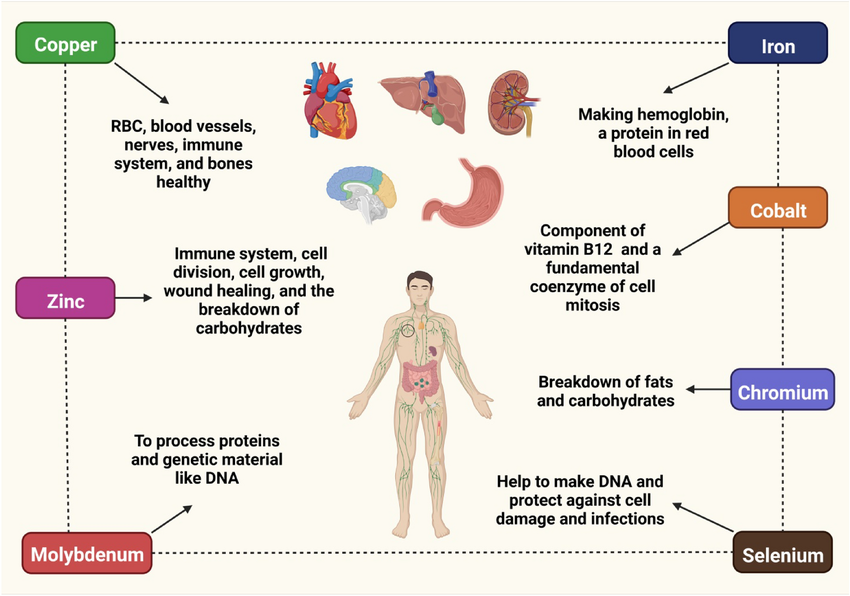
Trace Elements

Trace Elements

Hair Tissue Mineral Analysis (HTMA) is a process used to analyze the levels of minerals and heavy metals accumulated in the body by using samples of hair or nails from a patient.

In this procedure, a physician or laboratory technician collects a sample of hair or nails from the patient. The sample is then processed through acid digestion to break it down and extract the minerals.

Afterward, high-precision instruments such as ICP-MS (Inductively Coupled Plasma Mass Spectrometry) or AAS (Atomic Absorption Spectroscopy) are used to analyze the levels of minerals and heavy metals in the sample.

The analysis results help physicians evaluate mineral deficiencies or heavy metal accumulation in the patient’s body, providing important information for planning treatment or adjusting the patient’s dietary habits and lifestyle.

ผมและเล็บที่จะใช้ตรวจ trace element

Steps for Trace Element Analysis from Hair or Nails

1. Sample Collection

  • Hair: A small amount of hair (about 0.5 grams) is cut from the back of the head near the hair roots.

  • Nails: Clean nail clippers are used to cut fingernails or toenails (the nails should be clean, dry, and free of nail polish).

2. Sample Preparation
The samples are washed and cleaned using specialized solutions to remove external contaminants such as shampoo, hair products, or other chemicals.

3. Digestion Process
Acid is used to dissolve the hair or nail samples into a solution, allowing the elemental components to be measured.

4. Analysis
High-precision instruments such as ICP-MS (Inductively Coupled Plasma Mass Spectrometry) are used to detect and measure various elements with high accuracy.


Examples of Reported Results

  • Mineral levels (reported as mg/kg or µg/g)

  • Comparison with reference ranges (low / normal / high)

  • Risk assessment of heavy metal accumulation

  • Nutritional recommendations or detoxification guidance


Advantages

  • Convenient – no blood draw required

  • Suitable for long-term monitoring of toxins or mineral status

  • Useful for holistic health assessments, such as chronic fatigue, long-term health issues, or weakened immunity


Comparison: Blood Test vs. Hair/Nail Analysis

Aspect Blood Test Hair/Nail Analysis
Timeframe Reflected Short-term (recent 1–3 days) Long-term (2–3 months)
Best For Acute mineral deficiencies Long-term accumulation of minerals or toxins
Pain Level Requires blood draw Non-invasive – only hair or nail cutting
Cost Moderate Moderate to high

Free Radical and Antioxidant Testing

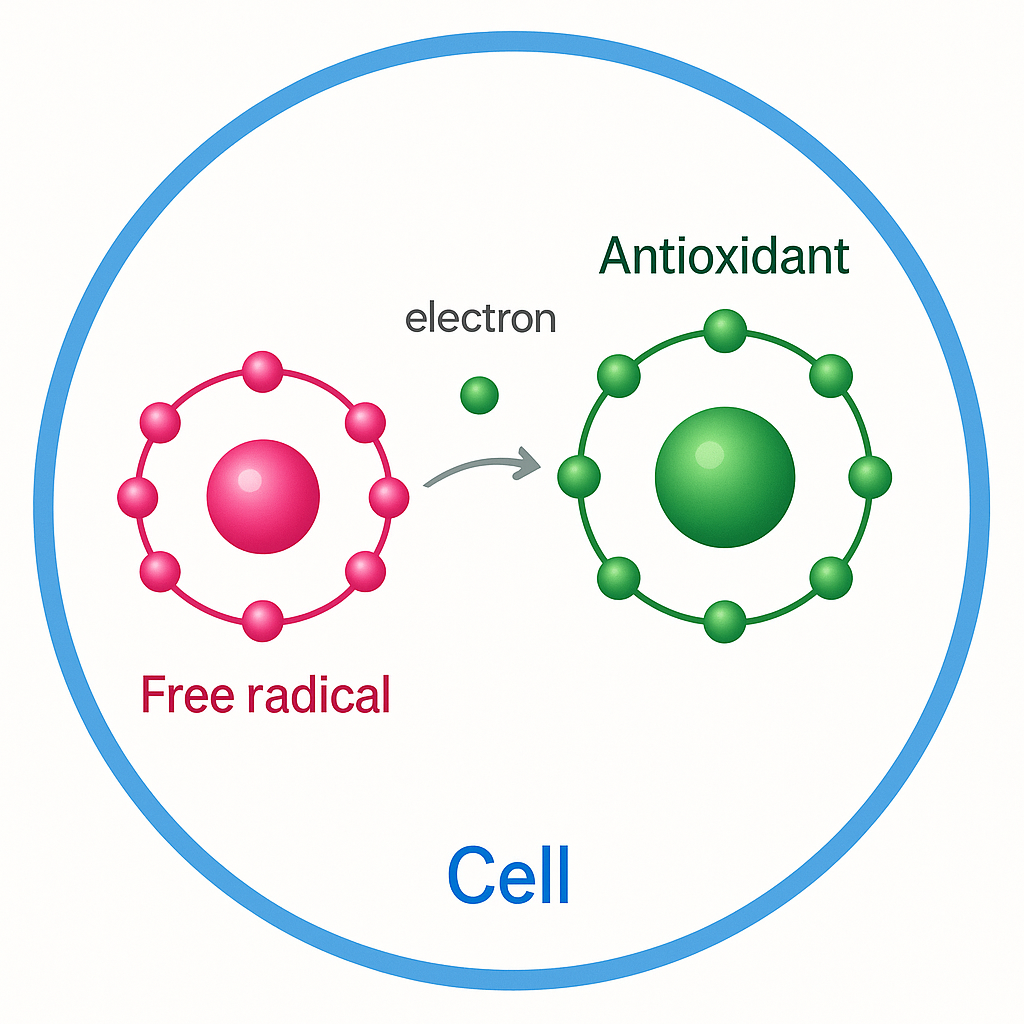
กราฟฟิกอนุมูลอิสระ

Antioxidant testing is used to evaluate whether the body’s internal balance is well maintained.

This assessment focuses on restoring balance from within, including the balance of nutrients, vitamins, minerals, and antioxidants. Maintaining this balance may help support long-lasting vitality, brighter skin, and overall health from the inside out.

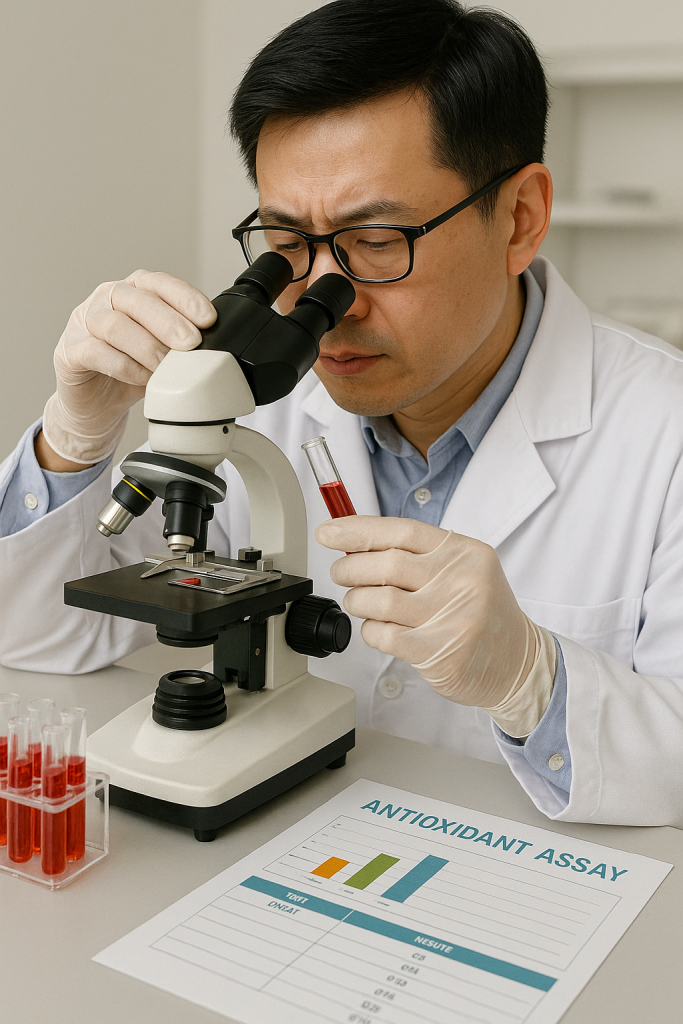
คุณหมอกำลังทำการตรวจหาอนุมูลอิสระ

StemMed Clinic – Regenerative Medicine Technology from Germany

You are here: