Basic Health Checkup Program

Live Blood Analysis (LBA)

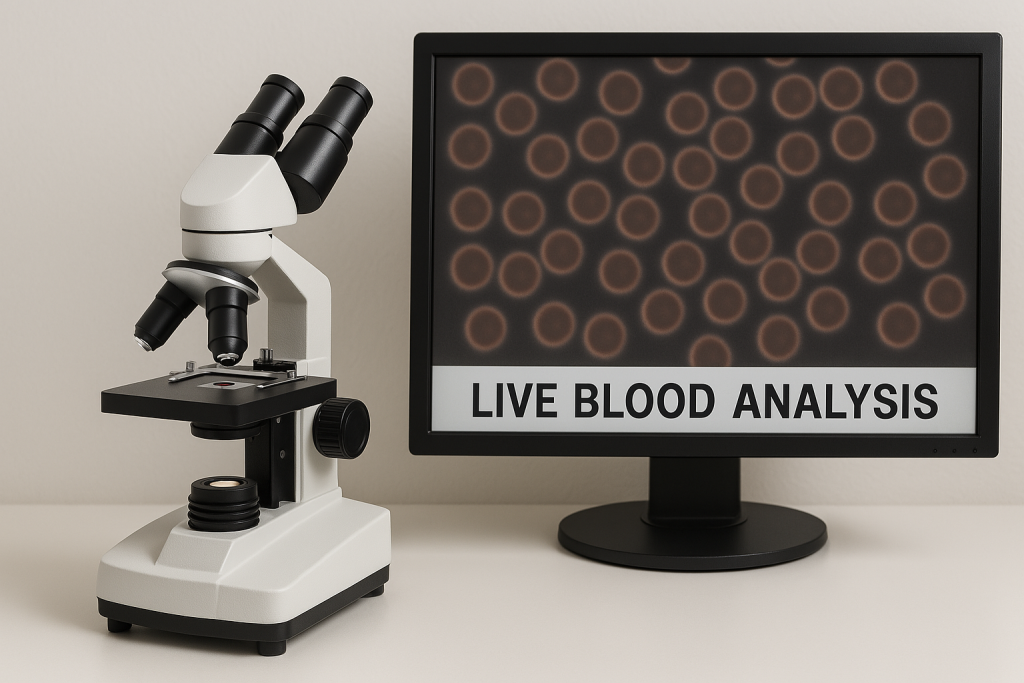
เครื่องตรวจ live blood analysis

Live Blood Analysis (LBA), also known as “live blood analysis,” is a method of examining blood using a high-powered microscope (such as a dark-field microscope or phase-contrast microscope).

In this technique, a single drop of fresh blood taken from the fingertip is placed under the microscope for analysis. This allows practitioners to observe the characteristics of the blood while it is still alive in real time, without staining or destroying the cells.

ผลตรวจ live blood analysis

Microscopic Analysis of Red Blood Cells

This examination analyzes the characteristics and components of red blood cells using a microscope to help assess the overall functioning of the body.

It may provide insights into areas such as the digestive system, as well as the function of the liver, kidneys, and heart. It can also help identify possible accumulation of heavy metals, fats, and toxins in the blood.

The information obtained can then be used to support health restoration strategies and the development of appropriate health care plans.

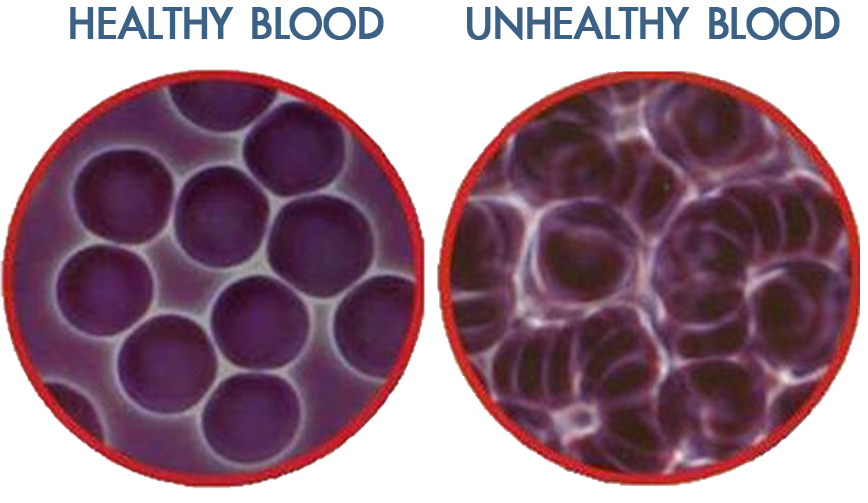
ผลเลือด live blood analysis ดีและไม่ดี
ตรวจเม็ดเลือด live blood analysis ด้วยกล้องจุลทรรศน์
ตรวจ live blood analysis ด้วยการเจาะเลือด

Purpose of Live Blood Analysis

  • To observe the shape and behavior of red blood cells, white blood cells, and other blood components.

  • To help assess overall health, such as nutritional deficiencies, immune system status, and the body’s acid–base balance.

  • To provide guidance for health care, dietary adjustments, and vitamin supplementation.

What Live Blood Analysis may detect:

  • Abnormalities in blood cells

  • Parasites or foreign substances in the blood

  • High blood viscosity or low oxygen levels in the blood

  • Vitamin and mineral deficiencies

  • Oxidative stress caused by free radicals

M M R I BIO SCAN

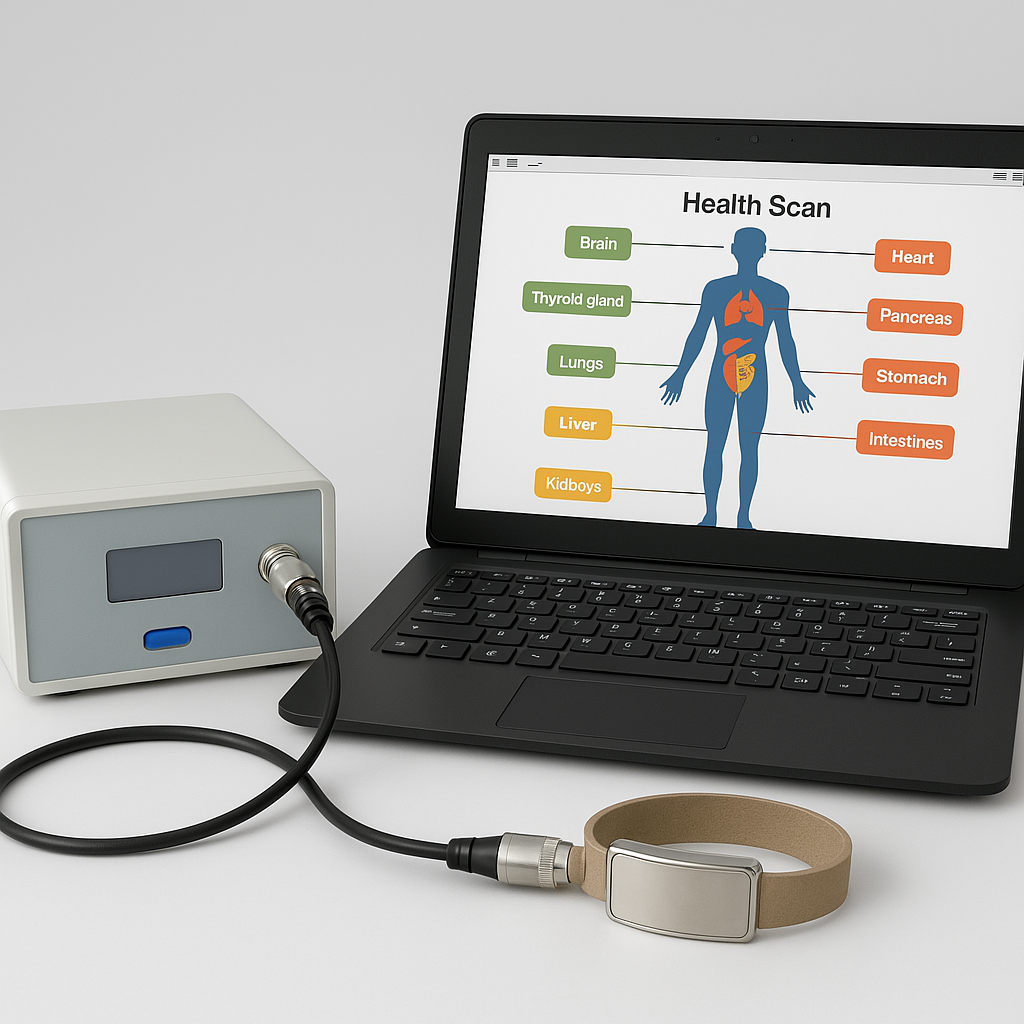
ผลสแกนจากเครื่อง mmrl

MMRI Bio Scan, sometimes referred to as Multi-Modal Resonance Imaging Bio Scan or similar names, is a term that sounds similar to MRI (Magnetic Resonance Imaging). However, it is not the same as the standard medical MRI equipment used in hospitals.

The term “MMRI Bio Scan” is often used in the field of alternative medicine or integrative medicine to describe a type of assessment that uses a device to scan and measure energy signals, pulse patterns, or electromagnetic frequencies from the body. The data is then interpreted to provide information about different organs, overall health status, stress levels, toxins, and other physiological conditions.

คอมพิวเตอร์สำหรับ mmri bio scan
เครื่องตรวจวัด mmrl bio scan

General Description Commonly Provided by MMRI BIO SCAN Service Providers

  • Uses low-frequency energy waves to measure the frequency of different organs in the body.

  • Claimed to be able to detect imbalances before an actual disease develops.

  • Provides a holistic health analysis, covering the body, mind, and energy balance.

  • Used to help plan health care approaches such as detoxification, dietary adjustments, or energy balancing.

Advantages of MMRI BIO SCAN (from a wellness perspective)

  • Non-invasive and painless – no needles or blood tests required, suitable for people who are afraid of needles.

  • Provides a holistic overview – some people feel it helps them “see the bigger picture” of their health, including physical, mental, and energetic aspects.

  • Encourages people to take better care of their health – seeing the results may motivate lifestyle changes, such as improving diet or reducing toxin exposure.

  • Can be used to compare health conditions before and after natural or holistic health care approaches.

???? Who is it suitable for?

Suitable for Reason
People interested in natural or holistic health approaches They prefer a holistic perspective rather than relying mainly on medication
People seeking initial guidance before changing their lifestyle For example, adjusting diet, taking supplements, or detoxifying
People who need motivation to start taking care of their health Seeing certain results may encourage them to make positive lifestyle changes

Vascular Age Index

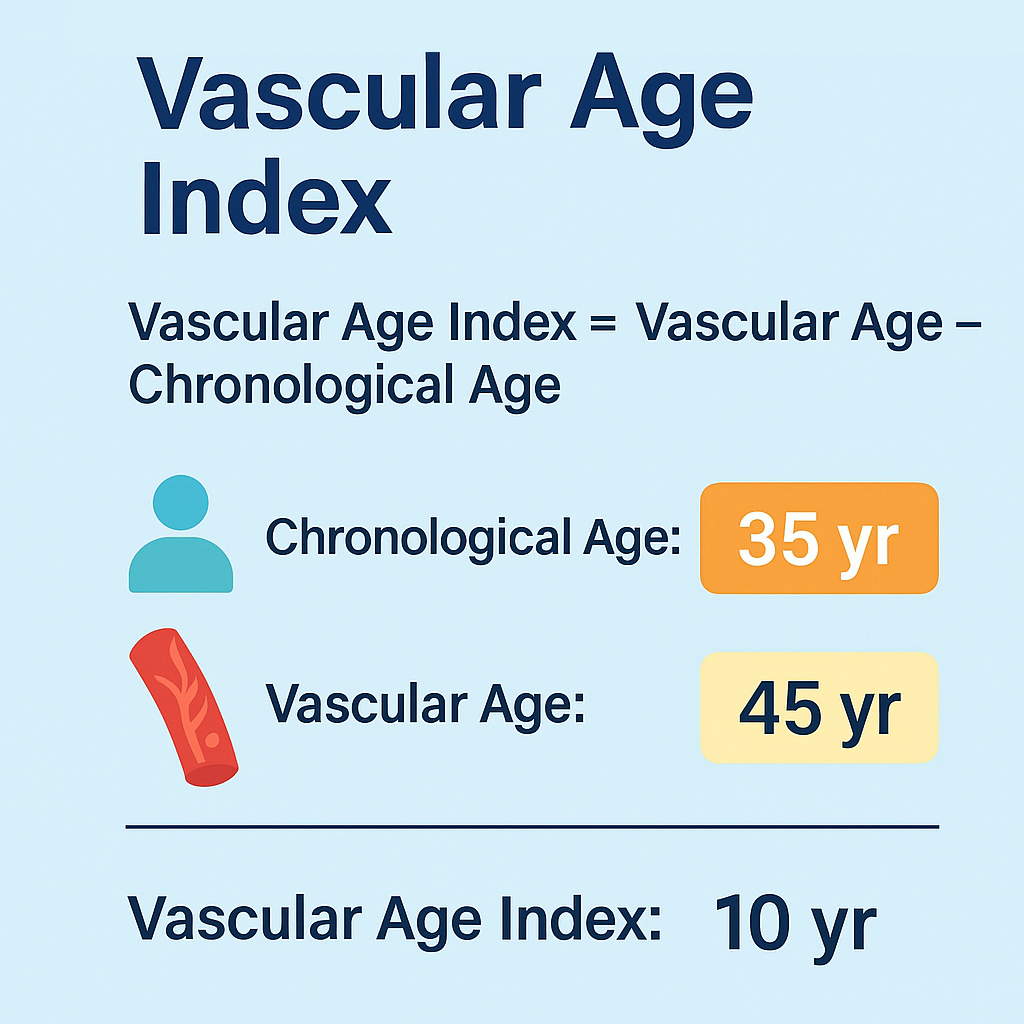
Vascular Age Index (VAI) is a value used to estimate a person’s vascular age by comparing it with their actual chronological age. It helps indicate the health of the vascular system and the risk of cardiovascular diseases in the future.

This assessment may also be considered alongside other risk factors, such as blood pressure, diabetes, blood lipid levels, and lifestyle behaviors.

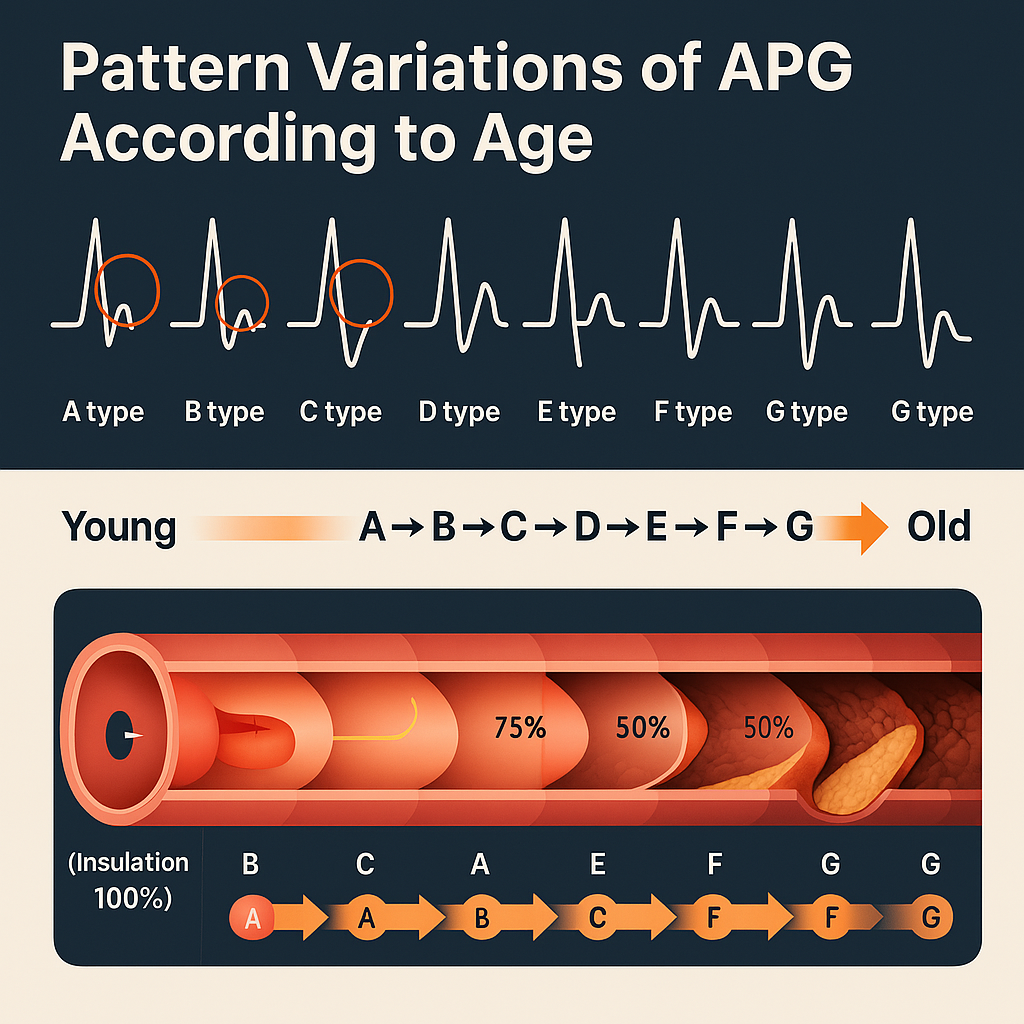
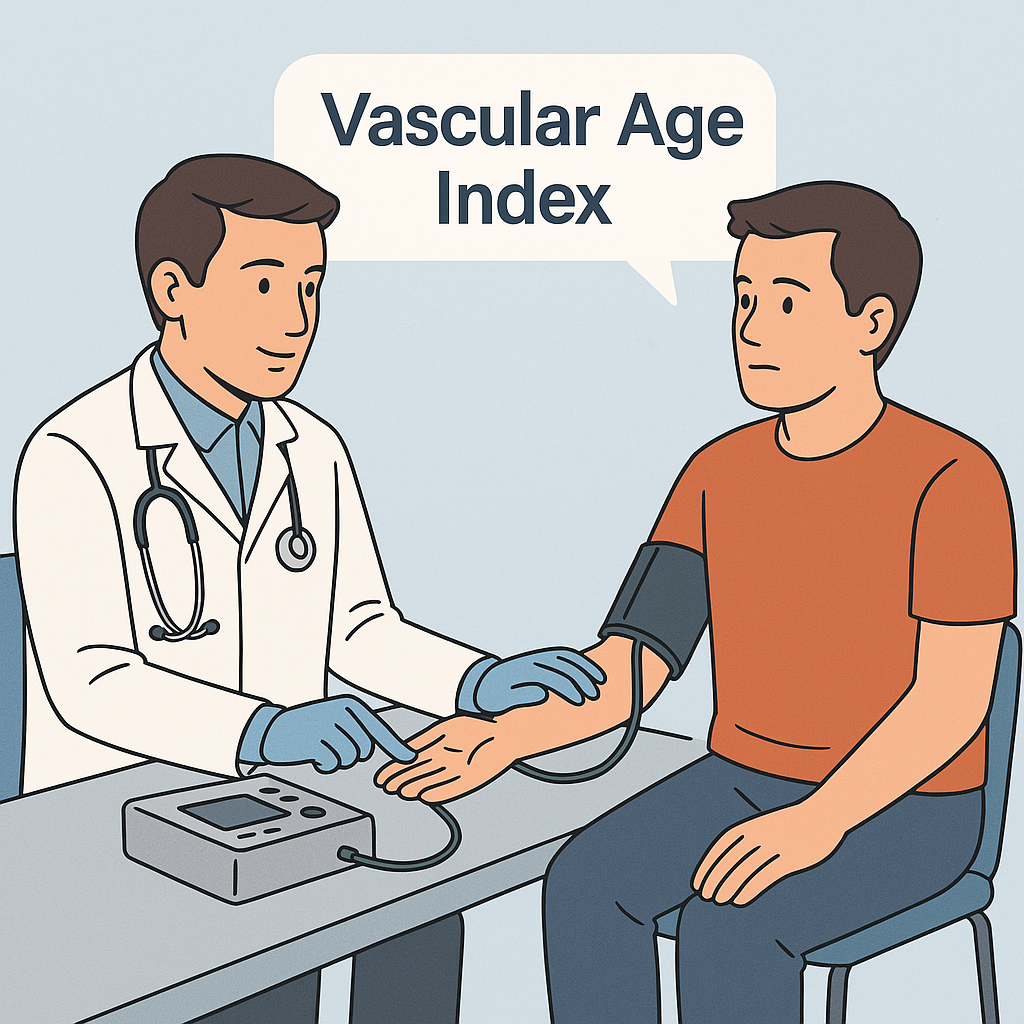
กราฟฟิก Vascular Age Index (VAI) หรือ ดัชนีอายุหลอดเลือด
ผลตรวจ Vascular Age Index (VAI)

Additional Details:

Vascular Age refers to a measurement that indicates how old your blood vessels appear compared to a typical person of a certain age.

For example, if you are 40 years old but your Vascular Age is measured at 55, it means your blood vessels have a condition similar to those of a 55-year-old person, which suggests a higher risk of heart disease compared to others in the same age group.

Methods used to estimate the Vascular Age Index may include:

  • Arterial stiffness measurement – for example, using Pulse Wave Velocity (PWV).

  • Certain types of electrocardiogram (ECG) assessments that evaluate heart function together with analytical algorithms.

  • Blood pressure measurements combined with biostatistical data (such as age, sex, weight, etc.).

  • Predictive models, such as the Framingham Risk Score or QRISK, which estimate risk based on health data.

Uses of VAI:

  • To assess the risk of cardiovascular diseases.

  • To encourage patients to improve their health behaviors, such as adjusting diet, exercising regularly, or quitting smoking.

  • To monitor treatment outcomes or lifestyle changes when efforts are made to reduce cardiovascular risk.

Simple Example:

If you undergo a health check and receive the following results:

  • Actual Age: 35 years

  • Vascular Age: 45 years

This means “your blood vessels are 10 years older than your actual age.”
Possible contributing factors may include:

  • High blood pressure

  • Smoking

  • Lack of physical exercise

  • Poor weight control, etc.

การตรวจ Vascular Age Index (VAI)

Vascular Age Index (VAI) testing offers several benefits, particularly in the prevention of cardiovascular diseases, although there are also some considerations. Here is a simple overview of the advantages:

Advantages of Vascular Age Index Testing

1. Understanding vascular health before disease develops
It helps determine how healthy your blood vessels are, even if you do not have any symptoms yet.
It can also help identify potential risks for heart and vascular diseases in advance.

2. Encourages positive lifestyle changes
If the VAI is higher than the actual age, people often become more aware and motivated to improve their lifestyle, such as exercising regularly, managing their diet, or quitting smoking.

3. Monitoring health improvement over time
The test can be repeated to track progress, helping determine whether the blood vessels have become “younger” or healthier after lifestyle changes or treatment.

4. Non-invasive / usually no blood test required
In most cases, the assessment is performed using devices that measure arterial stiffness (such as Pulse Wave Velocity – PWV) or through questionnaires combined with blood pressure measurements.

Laboratory Examination

It is the collection of samples from a patient’s body for analysis or testing in a medical laboratory in order to assist in disease diagnosis, assess health conditions, or monitor treatment outcomes.

คุณหมอกำลังบันทึก การตรวจทางห้องปฏิบัติการ (Laboratory Examination)
คุณหมอกำลังวิเคราะห์ การตรวจทางห้องปฏิบัติการ (Laboratory Examination)

1. Hematology
For example: Complete Blood Count (CBC), platelet count, hematocrit, etc.

2. Biochemistry
Tests that measure blood sugar levels, liver function, kidney function, cholesterol levels, and more.

3. Microbiology
Culturing samples from blood, urine, sputum, or pus to determine whether an infection is present.

4. Pathology
Examination of tissues, cells, or body fluids under a microscope, such as tests used for cancer detection.

5. Immunology
Tests that detect antibodies or antigens, for example HIV testing or tests for allergies.

6. Genetic Testing
Tests that analyze genes or DNA to identify inherited conditions or genetic risks.

ห้อง การตรวจทางห้องปฏิบัติการ (Laboratory Examination)

Analysis of genes or chromosomes to identify genetic disorders.

Blood tests are performed to analyze various health conditions according to age groups, disease categories, annual health check-ups, or preventive health assessments.

All tests are conducted in qualified laboratories, with results interpreted by physicians, along with appropriate medical advice and recommendations.

StemMed Clinic – Regenerative Medicine Technology from Germany

You are here: